The Architecture of Intention
Today is the beginning, it’s a year anew,
A time for many to change their view.
The calendar turns, the pages are white,
Waiting for stories we’re ready to write.
This is not a resolution, but a promise kept,
A vow to awaken where shadows once slept.
A promise to myself to treat myself with kindness,
To leave the harsh critics and the doubt behind us.
To find the positive despite the negatives in my day,
To seek out the light and the gold in the gray.
To speak my truths, though the words might be few,
No matter how hard it is for others to say, or to view.
I’m learning to love myself, the flaws and the grace,
To honor the journey and look at my face
With a gentle compassion that helps me through all,
Learning to pick myself up after each fall.
The path may be winding, the climb may be steep,
But these are the secrets and vows that I keep.
I refuse to be hidden, or sit on the shelf—
I vow this year to stand tall in my promises to myself.


The Inherited Ache
A heavy silence fills the air,
A weight that’s getting hard to bear.
We look around at what we’ve built,
And find it stained with greed and guilt.
What’s wrong with the world today?
Why can’t we find the words to say?
We’ve traded truth for quiet lies,
While shadows mask our neighbors' eyes.
Why is there a need to take and steal?
To break the soul and make it kneel?
Or worse—to take a life away,
And cut the light from someone’s day.
To some, the answer stays unknown,
A seeds of doubt that’s deeply sown.
But to me, the truth is clearly shown:
The fruit is bitter when the root is wrong.
When parents teach their children hate,
They seal a thousand tragic fates.
They pass the torch of old mistakes,
Ignoring all the hearts it breaks.
The cycle turns, the darkness grows,
Reaping exactly what it sows.
How much pain must we endure?
Before we find a lasting cure?
It starts within, a change of heart,
To tear the cycle’s walls apart.

Small Steps, Bright Horizons: Finding Purpose in the Journey
As the holiday lights begin to dim and the final pages of the calendar turn, there is a unique kind of magic in the air. I hope everyone had a wonderful, restful Christmas filled with warmth. Now, as a New Year approaches, we find ourselves standing on that familiar threshold—looking back at where we’ve been and peering eagerly toward where we’re going.
It’s tempting to view a New Year as a time for massive, sweeping overhauls. But this year, I’m leaning into a different philosophy: reflection over resolution.
The Power of the "Small Thing"
We often put immense pressure on ourselves to achieve greatness overnight. However, I’ve come to realize that great things are not done by impulse, but by a series of small things brought together. Think of it like building a mosaic; one single tile might not look like much, but when placed intentionally alongside others, day after day, a masterpiece begins to emerge. Instead of trying to change everything at once, let’s set a simpler, more graceful goal: to be just a little bit better than we were the day before.
* One extra minute of patience.
* One small act of kindness.
* One moment of honest gratitude.
Embracing the Bumpy Road
I’ll be the first to admit that my journey hasn't been a smooth, paved highway. In fact, it’s been downright bumpy. There have been detours, potholes, and moments where I felt completely lost.
But here is the beautiful truth I’m holding onto: I am exactly where I am supposed to be. Every bump has taught me resilience. Every wrong turn has given me a story. If you feel like your path has been more rugged than you expected, take heart. Those challenges aren't signs that you've failed; they are the forge in which your strength is being shaped.
Looking Forward with Hope
As we step into this New Year, I am filled with a stubborn, quiet hope. I truly believe that things can only get better from here. Not because the world will suddenly become perfect, but because we are becoming more capable of finding the light within it.
Let’s stop racing toward a distant finish line and start appreciating the ground beneath our feet. If we focus on the small wins and keep our hearts open, the "great things" will take care of themselves.
Here’s to a New Year of small steps, big hope, and the beautiful realization that you are right where you need to be.

Finding the Sweet Spot: Resilience, Recovery, and the Perfect Pour
Life, much like a busy morning shift at Dunkin’, rarely goes exactly according to plan. We prep for the rush, we set our stations, and then—suddenly—the ticket machine starts printing faster than we can keep up.
Lately, my journey with mental health has felt a bit like that. I’ve been working hard on myself, and honestly? My mental health is better than it has been in a long time. That is a victory worth celebrating. But as anyone who has walked the path of recovery knows, sometimes in treating one issue, another arises.
For me, that "other issue" has arrived in the form of tremors.
The Challenge of the "New Normal"
I’ll be the first to tell you: pouring hot coffee while dealing with tremors is something I definitely do not recommend! It adds a layer of difficulty to a job that is already fast-paced and precision-oriented. There are moments of frustration where I think, “My mind feels so much clearer; if only my hands would catch up, I’d be golden.”
It’s easy to get discouraged when a new hurdle pops up just as you’ve cleared an old one. But even with these "darn tremors," I’m finding reasons to stay hopeful.
The Power of a Good Work Ethic
I am incredibly fortunate to be part of a team that sees me for more than just a temporary physical challenge. Because I’ve always shown up with a strong work ethic and a commitment to my role, my managers and coworkers are leaning in to support me.
Currently, I’m "slowing returning" to my full workload. We are finding a new normal together. It’s a powerful reminder that:
• Character matters: The bridges you build when things are easy stay standing when things get tough.
• Patience is a tool: Taking it slow isn't "failing"; it's a strategic move to ensure long-term success.
• Support is available: You don’t have to carry the whole carafe by yourself.
Looking Ahead
The journey isn't over. I’ll be seeing my psychiatrist again soon, and I’m staying optimistic that we can resolve these tremor issues and get me back to 100%.
To anyone else out there navigating the side effects of recovery or the "one step forward, two steps back" nature of health: keep going. You are more than your symptoms. You are your work ethic, your kindness, and your resilience.
Every cup I pour (carefully!) is a reminder that I’m still here, still working, and still moving toward a brighter, steadier future.
Sleepless in Delaware: When "Too Much Coffee" Was Actually a Chemical Storm
In a state as small as Delaware, everyone seems to have an opinion. We live in a place where you can drive from the top of the Brandywine Valley to the bottom of the beaches in two hours, and word usually travels even faster than that. In a small community, people like simple explanations for complicated problems.
For years, my problem was sleep—or rather, the total lack of it. And in the eyes of everyone around me, the culprit was obvious: the caffeine.
The "Caffeine Addict" Label
"Maybe if you didn't have that third cup of coffee," they’d say. Or, "It’s the soda; you’re just overstimulated."
I leaned into the label because it was easier than the truth. It was socially acceptable to be a "caffeine addict" in a state filled with busy commuters and students. It was a quirk, a personality trait. But inside, I knew that no amount of coffee could create the electric, buzzing hum that kept me awake until 4:00 AM. I wasn't just "wired"; I was vibrating on a frequency I couldn't turn off.
The reality was much more complex than a Dunkin’ order. While everyone was pointing at the mug in my hand, my brain was dealing with the undiagnosed duo of ADD and Bipolar Disorder.
The Hidden Mechanics of the Mind
When you have ADD (Attention Deficit Disorder), your brain is constantly seeking stimulation. For me, caffeine wasn't actually a stimulant in the traditional sense; it was a desperate attempt to "level out" a brain that couldn't focus. I wasn't drinking coffee to get hyper; I was drinking it to feel normal.
But then, enter Bipolar Disorder.
In a small state like Delaware, life can feel quiet and rhythmic. But inside a Bipolar mind, the seasons change regardless of the weather outside. The sleepless nights weren't "coffee jitters"—they were hypomania. It was a surge of creative, restless energy that made sleep feel not just impossible, but unnecessary. Then would come the crash, where no amount of caffeine could lift the heavy fog of depression.
Life in the "Small Wonder"
There is a specific kind of isolation that comes with being mentally restless in a place as steady as Delaware. When you're struggling with undiagnosed disorders in a small community, you often feel like you’re "too much" for the environment around you.
You see the same people at the grocery store, the same faces at the local park, and you start to wonder: Is everyone else really this calm? Am I the only one who can’t turn their brain off?
Dropping the Label
Getting a diagnosis changed everything. It took the blame off the caffeine and put the focus where it belonged: on brain chemistry. I learned that my "sleeplessness" wasn't a failure of willpower or a byproduct of a bad habit—it was a symptom of a brain that just works differently.
Today, I still love my coffee, and I still love this small state I call home. But I no longer let people use "caffeine" as a shorthand for my mental health. Understanding the intersection of ADD and Bipolar has allowed me to finally find the quiet that coffee never could provide.
If you’re in the First State (or anywhere else) feeling like you’re "too much" or wondering why you can't just sleep, stop listening to the easy explanations. The truth might be more complex, but it’s also the only thing that will lead you to the shore.

Finding My Center: Navigating the Waves of Bipolar Disorder
Living with Bipolar Disorder often feels like being a small boat in a very large ocean. One moment, the waters are glassy and calm; the next, a storm surge of negative emotions hits without warning. It is incredibly easy to get swept away by those tides—to let the heaviness of a depressive "low" or the agitation of a "high" pull you miles away from the person you actually want to be.
When the tide starts to pull, I’ve learned that I can’t just wait for the storm to pass. I have to actively reach for my anchors.
The Art of Self-Regulation
Self-regulation isn't a "one size fits all" solution. It’s a toolkit we build over time, filled with different ways to bring our nervous systems back to baseline. For some, it’s the physical vibration of singing at the top of their lungs to release pent-up energy. For others, it’s the quiet focus of a hobby.
For me, the most powerful anchors are exercise and blogging.
The Physical Release: Exercise is where I put my restless energy or my heavy sadness. When I move my body, the negative emotions have somewhere to go. It’s like opening a pressure valve; it transforms that internal "noise" into physical strength.
The Digital Paper: Blogging is how I make sense of the chaos. When my thoughts are spinning, putting them into words helps me externalize them. Once the thoughts are on the screen, they aren't trapped in my head anymore. I can look at them, organize them, and eventually, let them go.
My Sanctuary: The Beach
While exercise and blogging are my "doing" tools, the beach is my "being" space. It is my ultimate calming environment.
There is something about the rhythmic sound of the waves that mimics a heartbeat, reminding my body to slow down. The salty smell of the air feels like it clears out the mental fog that Bipolar often brings. When I stand by the shore, the vastness of the ocean reminds me that my problems—as big as they feel—are part of a much larger, beautiful world. It grounds me in a way nothing else can.
Choosing to Center Today
Today, I am making a conscious choice. I am choosing to center myself—not because it’s easy, but because it’s necessary.
I’m doing this for myself, because I deserve to feel peace. But I’m also doing it for my family. They are my foundation, and they deserve the best version of me—the version that is present, steady, and centered. When I take the time to regulate my emotions through my "anchors," I’m not just helping myself; I’m showing up for the people who matter most.
If you’re feeling swept away today, remember: you have the power to reach for an anchor. Whether it's a song, a run, or just a deep breath of salt air, you are worth the effort it takes to find your way back to shore.

Back to the Grind: Learning to Trade "1000%" for Healthy Balance
Returning to work after a long break is never just about logging back into your email; it’s a mental and physical recalibration. Today marked my first day back in the store after three weeks away, and if I’m being honest, it was a bit of a struggle.
For a long time, my default setting has been to operate at 1000%. I’ve always been the person who pushes through the fatigue, skips the breaks, and treats "busy" as a badge of honor. But today, I had to have a serious heart-to-heart with myself.
The Shift to a "New Normal"
Coming back after three weeks off made me realize that my old pace wasn't sustainable—it was a fast track to burnout. As I felt that familiar pressure to dive into the deep end today, I had to pause and remind myself: Doing my best is enough. My "best" doesn't have to mean exhaustion. I am working toward a new healthy normal, which looks a lot different than it used to. It means:
* Listening to my body: If I’m hungry, I stop to eat. No more working through lunch until my blood sugar drops.
* Honoring basic needs: Taking that bathroom break instead of holding it for "just one more task."
* Savoring the small things: Actually enjoying a coffee while it’s still hot, rather than gulping it down between meetings.
Looking Ahead: My 2026 Vision
This transition back to work has solidified a major goal for me as I look toward 2026. I’m making a pact with myself to take more time off. We often think we are indispensable at work, but the truth is that a healthy work-life balance is the only way to ensure we have longevity in our careers and joy in our personal lives. You cannot pour from an empty cup, and you certainly can't sustain 1000% forever without something eventually breaking.
> The Takeaway: If you’re returning from a break or feeling the weight of high expectations, remember to treat yourself with kindness and patience. Perfection isn't the goal—sustainability is.
>
How are you practicing self-kindness at work this week? Let’s hold each other accountable in the comments!

🌸 The Weight of the World and the Power of Putting Yourself First
Hey everyone. I'm sitting here, coffee in hand, feeling the familiar hum of life, which, let's be honest, often sounds more like a chaotic orchestra than a gentle melody. Today, I want to talk about something deeply personal—something that affects all of us, but especially those of us who wear the many hats of mother, daughter, caregiver, and rock. I’m talking about mental health, and the crushing weight we often carry in silence.
To the Moms with the Weight of the World on Their Shoulders...
If you’re a mom, you know the feeling. It’s that invisible, heavy cloak you wear, woven from endless to-do lists, emotional labor, and the fierce, constant desire to ensure everyone under your roof is okay. You are the architect of comfort, the scheduler of lives, and often, the last person to eat or rest.
You give, and you give, until your well feels utterly, terrifyingly dry. I've been there. The feeling that if you just push through this one more day, this one more emergency, then maybe you can finally breathe. But that "maybe" rarely comes, and the burnout is real.
I want you to hear this, loud and clear: You are not superhuman, and you were never meant to be. The world's weight is not yours alone to carry. Allowing yourself to set it down—even for a moment—is a necessity, not a luxury.
To the Daughters Learning to Navigate Their Emotions...
I’m raising a daughter, and my greatest hope for her—and for all young women—is that she learns the language of her own heart far earlier than I did.
I see you, navigating the intense emotions of growing up, feeling things deeply, and sometimes wondering why it feels so hard. You don't have to suppress your feelings or dismiss them as "too much." Your emotions are valid. They are signals. Understanding them, naming them, and allowing yourself to feel them is a superpower.
I want to teach her, through my own messy trials and incredible triumphs, that her inner world is the most important terrain she will ever map. And that it is okay, and even necessary, to prioritize that map.
The Unspoken Truth: Taking Care of Yourself is NOT Selfish
This is the core lesson I’m trying to instill, and the one I have to remind myself of daily: Taking care of yourself is not selfish; it is foundational.
For too long, society has applauded the martyr—the one who sacrifices their well-being for everyone else. But I’m here to tell you, that model is broken. When you consistently put yourself last, you are showing your loved ones, particularly your children, that your needs are the least important.
Self-Love is the starting line. It’s not about grand gestures; it’s about micro-moments: a quiet cup of tea, saying "no" to an extra commitment, a walk outside, or finally booking that long-delayed doctor's appointment.
Set Boundaries. Boundaries are acts of self-respect. They protect your energy and allow you to show up as the best version of yourself, not the exhausted, resentful version.
Communicate Your Needs. For the loved ones who may not understand the crushing weight you carry: you don't have to suffer in silence. Use your voice. Explain what you need, whether it’s help with chores, an hour alone, or simply a listening ear without judgment.
My Journey, Your Map
I share my struggles—the anxiety, the days I feel like I’m failing, the moments of utter depletion—not to look for pity, but to normalize the conversation. I want my daughter, and every person reading this, to know that strength isn't the absence of struggle; it's the willingness to face it, talk about it, and prioritize healing.
Through my trials, I am learning resilience. Through my triumphs, I am learning joy. And the greatest triumph of all has been the slow, deliberate practice of turning that intense love and care I give to others, back onto myself.
It’s an ongoing process. Some days I ace it, and some days I’m back at square one. But every day is a chance to try again, to choose self-compassion over self-criticism, and to remember that a well-nourished spirit is the greatest gift we can give to the world.
Let's do this together, one deep breath at a time.
What is one small thing you can do for yourself today—not tomorrow, but right now—to ease the weight you're carrying? Share your self-care commitment in the comments below!
Navigating the Storm: Motherhood, Menopause, and a Multiplicity of Mental Health Diagnoses
Being a mother is a challenge and a joy under any circumstances. But what happens when you are juggling the intense demands of parenting while also managing a complex landscape of co-occurring mental health diagnoses—like Bipolar Disorder, Borderline Personality Disorder (BPD), and potentially features of Schizophrenia or other conditions? Add to this the turbulent biological shifts of the perimenopausal or premenopausal phase, and you have a recipe for an experience that can feel overwhelming, isolating, and utterly exhausting.
This is a deep dive into that struggle—a reality many mothers face in silence.
The Overlap: A Complex Diagnostic Tapestry
When multiple serious mental health conditions exist simultaneously (co-occurring or comorbid), they don't just add up; they often multiply in their effect, creating unique and intense symptoms.
Bipolar Disorder: Characterized by extreme mood swings—high energy, manic episodes followed by deep, debilitating depression. This already makes consistent parenting an immense hurdle.
Borderline Personality Disorder (BPD): Defined by unstable relationships, emotional dysregulation, fear of abandonment, and impulsive behavior. BPD can severely strain the mother-child relationship and create chaos within the home environment.
Schizophrenia Spectrum: Even if a full diagnosis isn't present, experiencing episodes of psychosis, disorganized thinking, or detachment can make reality itself feel fractured and impossible to manage, particularly during high-stress parenting moments.
These disorders create a cyclical pattern of instability. A manic episode might lead to impulsive spending or erratic behavior; the subsequent BPD shame cycle spirals from perceived parenting failures; and the resulting bipolar depression makes getting out of bed to pack a school lunch feel like climbing Mount Everest.
Perimenopause: The Uninvited Catalyst
As women enter their late 30s and 40s, the fluctuating hormones of perimenopause begin their decade-long journey before full menopause. For those with pre-existing mental health conditions, this hormonal roller coaster can feel like a devastating derailment.
Estrogen and Progesterone Fluctuation: These hormones have a direct impact on brain chemistry. As they rise and fall erratically, they can directly trigger or intensely worsen mood episodes.
Increased Mood Cycling: Women with Bipolar Disorder often report more rapid cycling and less predictable mood shifts during perimenopause.
Worsening BPD Symptoms: The heightened anxiety, irritability, and emotional reactivity that come with hormonal changes can make BPD symptoms—especially rage and feelings of emptiness—unbearably intense.
Sleep Disruption: Night sweats and insomnia are hallmark perimenopausal symptoms. Lack of sleep is a well-known major trigger for both mania and psychosis, leading to a vicious, self-perpetuating cycle.
The Motherhood Guilt and Stigma
Perhaps the most painful aspect of this struggle is the internal and external stigma. The ideal of the "perfect mother" is pervasive, and for mothers struggling with severe mental illness, the gap between the ideal and their reality is a constant source of agonizing guilt.
"How can I be present for my child when my brain is telling me the world is ending?"
Fear of Transmission: Many mothers live in constant fear of "passing on" their struggles, worrying that their unstable emotions are psychologically damaging their children.
The Mask: The energy it takes to manage these internal storms and appear functional at school drop-off or parent-teacher meetings is astronomical, often leading to total emotional collapse once behind closed doors.
Lack of Support: Finding a therapist, psychiatrist, and general practitioner who are all comfortable and knowledgeable about the intersection of Bipolar, BPD, Schizophrenia features, and perimenopause is incredibly difficult. This leaves many feeling fragmented and misunderstood by the healthcare system.
How to Build a Lifeboat in the Storm
While the struggle is immense, it is possible to navigate it. The key lies in robust, multifaceted, and non-negotiable self-advocacy and self-care.
Triple-Check Medication Management: The perimenopausal body changes how it metabolizes medication. You must work closely with your psychiatrist and gynecologist to assess if your current drug cocktail (mood stabilizers, antipsychotics, etc.) needs adjustment due to fluctuating hormones. Hormone replacement therapy (HRT), though not for everyone, may be a crucial consideration.
Radical Self-Acceptance: You must let go of the "perfect mother" myth. Your children need a stable-enough mother, not a perfect one. Be honest with your children in an age-appropriate way ("Mommy's brain is working extra hard today, and I need a quiet moment"). This teaches them emotional intelligence and vulnerability, which are far more valuable than a perpetually sunny disposition.
Prioritize Sleep Above All Else: Sleep is your primary biological defense against mood episodes. Use every tool available: sleep hygiene, medication, meditation, and asking for help. A few hours of missed sleep can trigger weeks of instability.
Establish Clear Boundaries: Use skills learned in Dialectical Behavior Therapy (DBT), which is highly effective for BPD, to set firm boundaries with family, friends, and even your children. Know your limits and don't be afraid to use phrases like, "I need a 10-minute break to regulate myself," or "I can't handle a big conversation right now."
You Are Not Alone
If you are a mother reading this, struggling to find the energy to face another day while your brain is fighting a war on multiple fronts, please know this: You are doing a heroic thing. You are fighting chemical imbalances, historical trauma, hormonal shifts, and the crushing weight of societal expectation, and you are still showing up for your children.
Acknowledge the magnitude of your struggle. Be kinder to yourself than anyone else has ever been. Seek help from specialized professionals who understand the complexity of what you are facing. Your stability is the foundation of your family's stability. Focus on one small step today.
Juggling Life and Wellness: Prioritizing Your Mental Health as a Mom and Wife
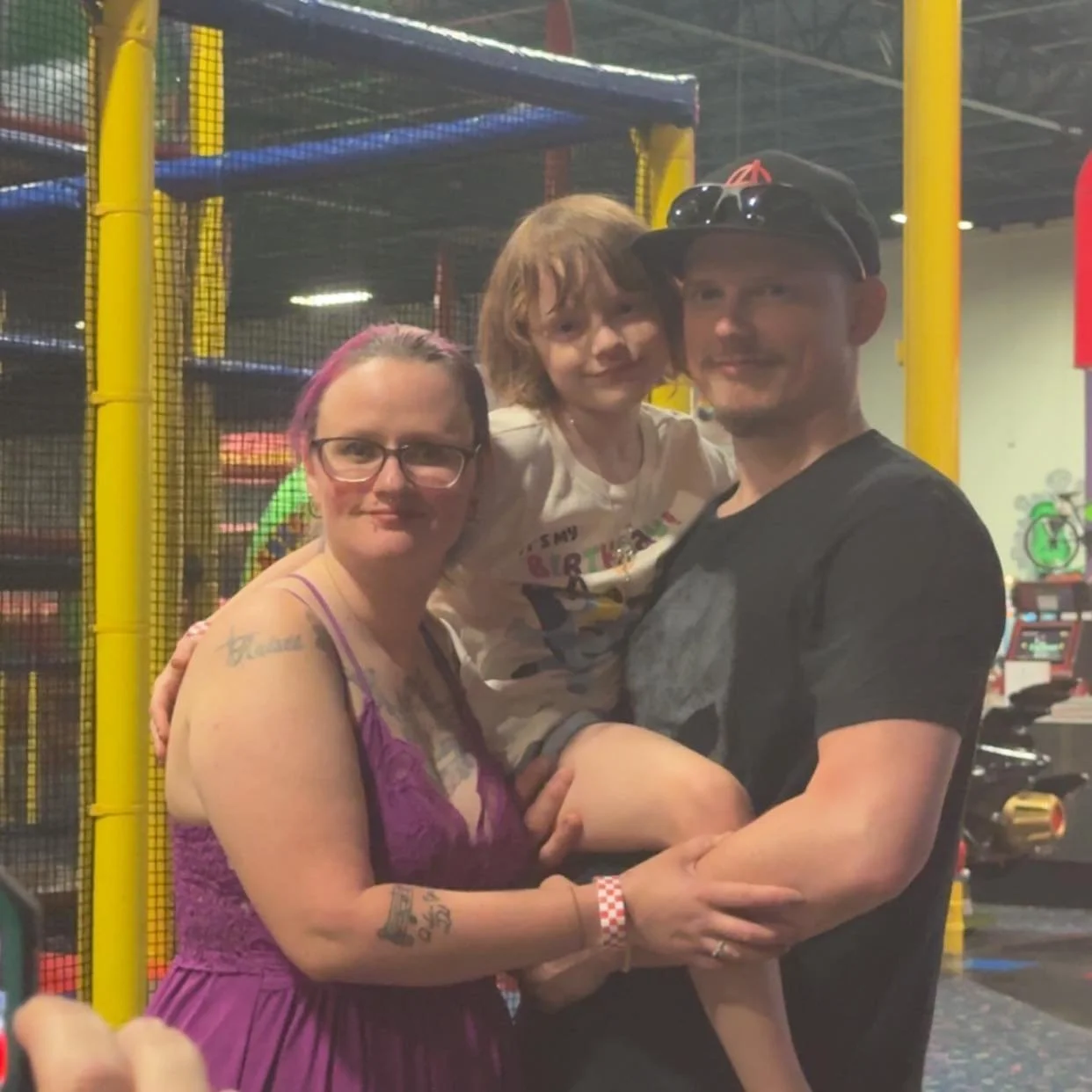
The roles of a mother and a wife are incredibly rewarding, but let’s be honest: they are also demanding, relentless, and often feel like a 24/7 job. We’re the family’s CEO, chauffeur, chef, and emotional anchor, all rolled into one. In the non-stop whirlwind of school pickups, dinner prep, and partner support, it’s all too easy for one essential task to fall off the to-do list: taking care of your own mental health.
If you’ve been feeling overwhelmed, depleted, or like you’re constantly running on fumes, please know this: You are not alone. Recognizing and addressing mental health issues—be it general stress, anxiety, depression, or burnout—is not a sign of weakness; it’s a vital act of self-preservation and the ultimate act of love for your family.
Here are a few gentle yet crucial steps to help you navigate motherhood and partnership while keeping your mental well-being in focus.
1. Give Yourself Permission to Feel
Too often, we believe we must be "strong" for everyone else. We dismiss our feelings with "I don't have time for this" or "Other people have it worse." This self-denial is harmful.
* Acknowledge the Load: It is hard. It is stressful. It is exhausting. Say it out loud. Acknowledging the pressure you're under is the first step toward releasing some of it.
* Normalize Imperfection: Your kids do not need a perfect mother; they need a present mother. Your spouse does not need a Stepford wife; they need a genuine partner. Drop the superhero cape and embrace the messy reality of life. Good enough is truly great.
2. Redefine "Self-Care"
Self-care isn't just bubble baths and manicures (though those are lovely!). For a busy mom and wife, self-care is often about small, consistent choices that protect your energy and peace.
* Boundary Setting: Learn to say "No." Say no to extra commitments, say no to unnecessary demands, and say no to that voice in your head telling you to do more. This is an essential self-care practice.
* The 15-Minute Rule: Find a time slot—morning, evening, or even during a child’s nap—and dedicate 15 minutes just to yourself. No chores, no scrolling, no kids. Just quiet breathing, a cup of tea, a chapter of a book, or a quick meditation.
* Sleep is Non-Negotiable: Adequate sleep is the foundation of mental health. Talk to your partner about a shared schedule that ensures you get consistent rest, even if it means handing over the baby monitor or evening routine a few nights a week.
3. Communicate With Your Partner
Your marriage is a partnership, and that extends to your mental load. Your spouse is your teammate, and they can't help if they don't know you're struggling.
* Be Specific: Instead of saying, "I'm stressed," try saying, "I feel overwhelmed by the evening routine; could you take over bath time this week?" Specific requests are easier to fulfill than vague complaints.
* Schedule a Check-In: Set aside a time once a week (maybe after the kids are asleep) to talk about non-kid-related things and to briefly check in on each other's stress levels. This creates a safe space for vulnerability.
4. Know When to Seek Professional Help
The most important step is knowing when you need help outside of your immediate circle. There is no shame—none at all—in consulting a professional.
* Therapy/Counseling: A therapist can provide tools, strategies, and a confidential, judgment-free space to unpack the stress of your roles. It's an investment in your whole family's future.
* Consult a Doctor: If you suspect you may be dealing with clinical depression, anxiety, or PPD/PPA, talk to your primary care physician or OB-GYN. They can offer guidance on medication options or specialist referrals.
> Remember: Taking care of your mental health means your children have a happier, more regulated parent, and your spouse has a more engaged, present partner. It is not selfish; it is essential. You are worthy of peace, rest, and support.
>
You are doing the most important work in the world. Be kind to yourself today.
What is one small, manageable thing you can do for your mental well-being in the next 24 hours? Share it in the comments below!

The Pages of Pain 📖
Angry words screamed across the room,
A verbal storm that leaves no peace,
A brutal sound that seals her doom.
She sighs, mind is racing, seeking quick release,
Fearing the impending doom.
Words break spirits, fists leave bruises,
The sickening cadence of control and rage.
The touch she once knew now only confuses,
A terrifying turn upon life's stage.
And hands around my neck when I refused.
A desperate escape to quiet the fight,
An alcohol-induced coma to feel numb,
Chasing oblivion to survive the night,
The morning's terror, fearing what was to come.
Then the cycle twists, the villain turns tame,
Love bombing and apologizing with practiced art,
A soft, sweet promise that whispers her name,
To trick me into safety and staying true.
But the final curtain drops, the clarity descends,
The truth emerges from the blinding haze:
Love does not hurt, this nightmare ends.
He was just a page in a book of life I had to learn.
A chapter closed, she turns the key,
To write her future, wild and free.
This is a powerful and challenging subject. If you or someone you know is experiencing domestic violence, please know that there is help available. Would you like me to find resources for support or hotlines that can provided.
The Promise Behind the Mask 🎭
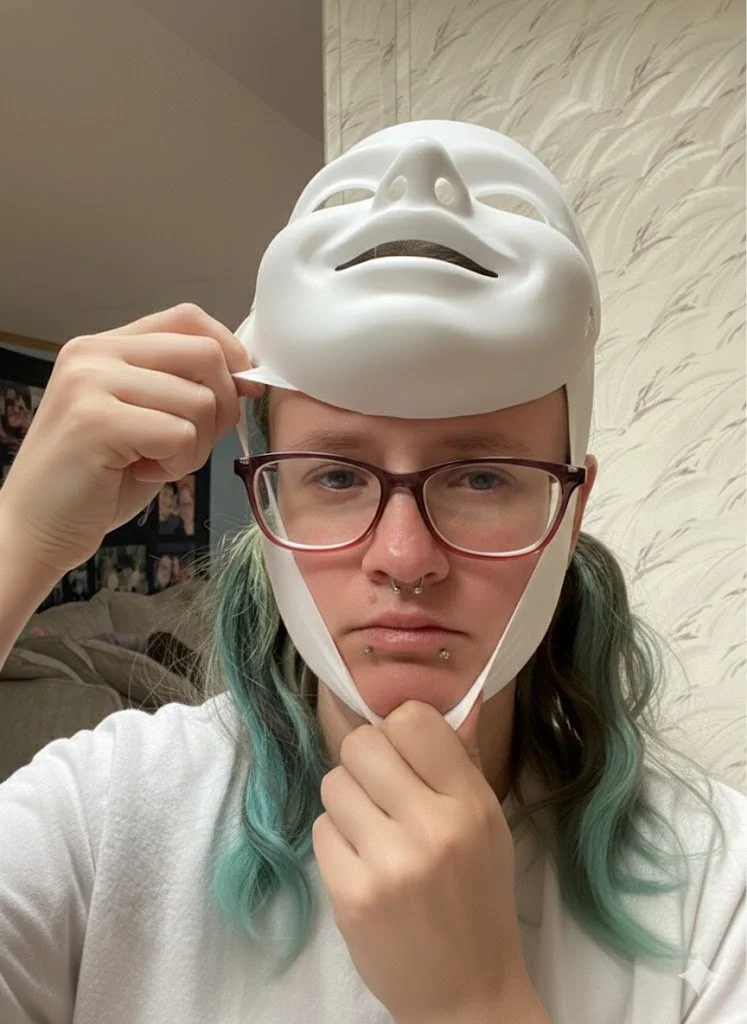
Behind the mask, I can hide, A quiet barrier, firmly tied. I fashion smiles from practiced grace, To guard the shadows of this place.
I try to run from the pain I feel within, A hollow echo where sorrows spin. But miles I travel, fast or slow, The heart's own aching will still grow.
Yet, there's a whisper when the darkness ends, A thread of hope that fate extends: Each day I'm alive is the chance to begin again.
To shed the sorrow, break the chain, To mend the fissures, seek the light, And step out fearless into sight.

To the Ones Who Slipped Away
Here’s to the ones who I loved, the ones I held tight,
And slipped away into the fading light.
The ones who are gone, for God said they couldn’t stay,
Leaving a silence where laughter once held sway.
They are gone, yes, but never forgotten, this much is true,
Their spirits walk softly in all that I do.
Memories of them will stay with me until my last breath,
A quiet, brave shield against the shadow of death.
The echoes of humor, the glances, the grace,
Inside jokes with no one else I can share in this place.
A phrase understood, a knowing, bright smile,
Now kept like a treasure for just a little while.
And even though sorrow may linger and cling,
A deep, hollow ache that my heart aches to sing,
I am sad, it is true, but I will not despair,
A promise of reunion dispels all the care.
Because one day together, in glory and light,
We will share again, where every tear takes its flight.
In God’s kingdom of peace, where forever is found,
My loved ones and I will stand on hallowed ground.
The Road to Finding Myself
I’m heading down the highway toward mental health,
A road less traveled—it has often been hell.
It’s not a one-pill quick fox, a reduced, numb coma,
But twelve steps of recovery through thirty years of trauma.
From one to three, then four, perhaps even six,
The magnitude of my diagnosis.
“Knock, knock, who’s there?”
You say I should know,
Yet I don’t recognize you anymore.
I’m living in my personal upside-down,
Where smiles look like frowns.
Tell me, can I still be found

The Alligator’s Smile
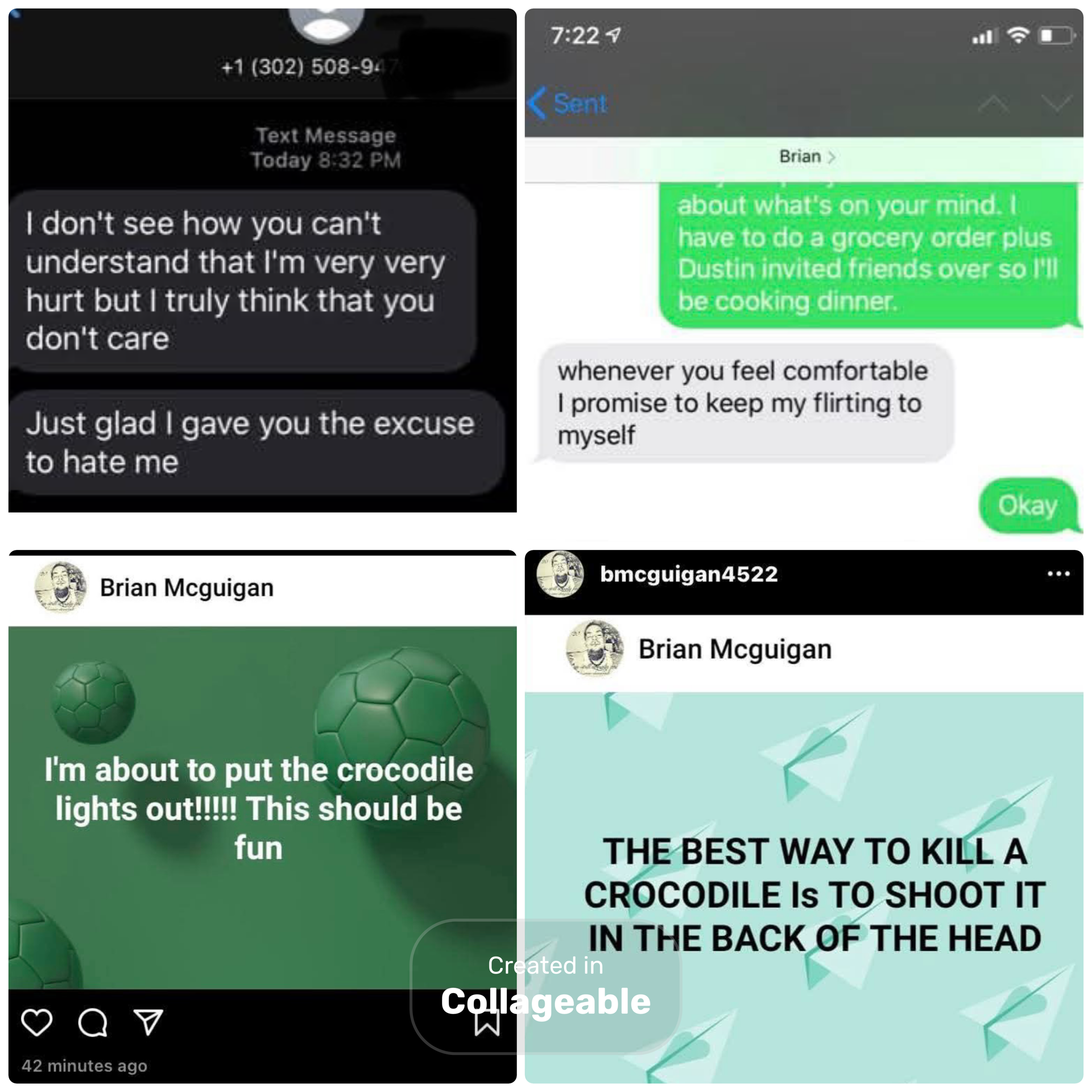
In 2019 Kristi (30) and her coworker, Brian (48), initially bonded over their shared belief that work should be fun, focusing heavily on camaraderie and humor. Since Kristi was his manager, she appreciated Brian, an older crew member, for helping cultivate a positive environment. Their friendship, however, took a sharp, uncomfortable turn. Brian developed an intense crush on Kristi, and the initial easygoing rapport quickly devolved into awkwardness, then obsession.
When Brian's comments became flirty and inappropriate—like the time he jokingly said he wanted to push her into the closet to kiss her—Kristi firmly told him they needed to keep their interactions professional. Brian’s reaction was immediate and manipulative; he guilted her for setting the boundary. This pattern intensified. He started demanding her attention, wanting to talk all the time, and would become angry if she didn't respond exactly as he wished. To draw her back in, he’d guilt her again by saying negative things about himself, forcing Kristi to feel sorry for him.
Even after Kristi blocked him across all social media, the cycle of harassment continued. Brian created new profiles to cyber stalk her. He found increasingly desperate ways to maintain contact, once using a colleague named Alex to call her, claiming he was checking on her safety after a tornado was spotted near their town. Another time, he had a different coworker ask about her, feigning interest in workplace food preparation training.
The hostility spilled into the workplace. Brian began lying and manipulating other employees, twisting the narrative until they and, critically, their bosses believed his version of events over hers. Despite the clear evidence contradicting his claims, including several back-to-back phone calls he left with detailed voicemails, the management unjustly put the blame on Kristi for being friends with a crew person.
The harassment reached a terrifying peak after Kristi left the job. Brian indirectly threatened her on social media. He posted menacing messages, using the crocodile emoji—a nod to their old, casual farewell, "See you later, alligator, after a while, crocodile." The posts contained explicit violence: he stated he wanted to "punch her lights out" and included a picture of a gun, making the threat chillingly real.


The Unwritten Exit
Upon this bleached and silent stage of page,
I wage a war against the closing cage.
My pen, a jagged, lonely, silver sword,
attempts to carve the feelings left unheard.
I seek to resurrect the words we spoke,
to mend the phantom heart that time has broke.
I massacre these words in restless hours,
my solitary force against the wilting flowers.
My spirit is an island, cold and vast,
where shadows of your memory are cast.
Alone in my thoughts—a barren field of night—
for now there is no trace of you in sight,
save for the fragile echoes I retain,
the whispered fragments running through my brain,
the blurry portrait in a gilded frame,
other than what I remember of your name.
Once vibrant, whole, a tapestry of light,
Our memories and your image burned so bright,
They were once intertwined, a perfect knot,
the sacred landscape of a cherished spot.
But years are waves that crash against the shore,
erasing footprints of what came before.
With the cruel tyranny of endless time it fades,
like summer light retreating into shades,
a ghost dissolving like love into darkest part of my mind.
A heritage of sorrow left behind.
I am a sentry chained to a forgotten keep,
my sorrow's hostage while the world's asleep.
Held prisoner by emotions beyond the main control,
a taxing levy on my weary soul.
The path ahead is split by a fierce decree:
Should I Keep fighting or let go and finally be free?
To battle for the past is but to bleed,
to cling to phantom promises and need.
Yet, deep within the rubble of regret,
a single flame is kindled—I am not defeated yet.
I choose to Fight for the strength to break free,
to sever every binding rope I see.
To seek the truth and recognize the door,
to walk out of the internal prison and ask for nothing more.
The lock is fashioned from my own deep fear,
and liberation's instrument is near.
The courage to forget is the precious, single plea,
the only saving grace, with only one key.
Would you like me to focus on a particular image from this poem, like the "bleached and silent stage of page," and expand on that idea further?

A Vacation From Reality
I’m taking a vacation from reality—
Stepping out so I can finally breathe,
Clearing my mind, opening my eyes,
Learning to live for today, not the fears of tomorrow.
My tears have drowned me long enough.
It’s time to rise, to let go of sorrow.
The old me has fallen away—
A shedding of skin so I can belong to myself again.
I’m turning negativity into light,
Redirecting every broken piece of energy
Toward healing, toward building,
Solving my battles one by one
So I can stop the slow burn of self-destruction.
I’m learning to love myself
Because in the end,
I am the one who decides if I’m enough.
I’ll listen to my mind, follow my heart—
They’ve never lied to me about a fresh start.
If a place feels wrong,
If a person feels heavy,
I’ll walk away until I find where my spirit fits.
A man who deserves me
Will see only me.
He won’t make me cry without regret—
And he’ll apologize when he’s wrong.
One day, I’ll untangle life’s mysteries
And find my way back home to myself.
My mind is tired—
Worn down by what I can’t understand,
Afraid of someone who stands beside me
Yet makes me feel small.
I’m tired of hating myself
More deeply than those who hurt me.
I’m tired of being unable to forgive
Things I never controlled.
I’m drained by the narcissists I attract,
The ones who feed on my soul
While calling it love.
I’m exhausted by the courage I bury
When I know I should rise and defend myself.
Most of all,
I’m tired of this weight on my spirit,
These battles of the mind
That try to claim my life.
I want to learn how to live—
Truly live—
Before the darkness learns how to win.

The Shattered Mirror: Rebuilding Self-Worth After Betrayal
Infidelity is one of the most profound betrayals a person can experience, instantly shattering the foundation of trust upon which a relationship is built. The immediate aftermath often involves a devastating collision of emotions—shock, rage, and a deep, penetrating sense of inadequacy. For the person who has been cheated on, the emotional fallout is often directed inward, transforming betrayal into brutal self-doubt. They begin to internalize the cheater's actions, asking, "Was I not enough?" or "What did I do wrong?" This toxic loop erodes self-esteem, leaving the individual feeling devalued, anxious, and distrustful of their own judgment. Recovering from this requires more than just processing the relationship loss; it demands a conscious effort to reclaim one's narrative, reminding themselves that the cheater’s failure to commit reflects their character, not the victim's inherent worth.
The question of forgiveness is often the heaviest challenge, and while incredibly difficult, it is profoundly possible. Forgiveness is rarely a single, spontaneous event, but rather a long, arduous journey that is primarily for the benefit of the person who was hurt. It does not mean excusing the betrayal or immediately resuming the relationship; rather, it means choosing to release the pain and bitterness so that the experience no longer defines their life or future happiness. If reconciliation is the goal, it must be built on total honesty, remorse, and accountability from the cheater. Ultimately, whether forgiveness leads to staying together or separating, the truest form of recovery lies in forgiving the betrayal not for the sake of the partner, but for the sake of one's own peace, allowing the individual to move forward with a restored sense of self-respect.
A Moving Picture in the Brain
I pray one day I look at you
And pain is not the only thing I feel;
When close my eyes, it's a moving picture,
A constant loop that proves the wound is real.
Blinded by a love so vast and deep,
I couldn't see your finger on the trigger.
Did you stop one second, did you ever keep
The family you left to burn in mind, or linger
On nothing but the desire that you yearned?
If the roles were in reverse today,
You'd treat me no better than a body in a hearse.
My big heart, I guess that’s my blessing and my curse—
Remember that the next time you question my worth.
I hope the lesson has been truly learned,
Or else you’ll learn the true meaning of a woman scorned.
Embracing the Journey of Healing
When I embarked on this journey of healing, I knew the path would be filled with obstacles meant to deter me. The initial excitement of starting a new chapter in my life quickly morphed into a reality check as I encountered challenges that tested my resolve. Each hurdle felt insurmountable at times, but with each obstacle, I gained more confidence in who I am as a person.
In the past, I viewed certain characteristics—empathy, vulnerability, sensitivity—as weaknesses. I was conditioned to believe that strength meant being unyielding, stoic, and closed off. However, as I navigated the tumultuous waters of my healing journey, I discovered that these qualities that society often overlooks are the very hallmarks of a strong person. It requires incredible bravery to feel deeply, to be open to both joy and sorrow, and to rise after every fall.
It’s all too easy to let the negativity of the world distort our view of life. External expectations, societal pressures, and critical voices can seep into our consciousness, obscuring the light of hope that resides within us. Yet, I have learned that it is hard—truly hard—to hold on to hope for better days, especially when faced with the harsh realities of life. Yet, that hope is what fuels our journey.
I have established a routine of self-care that has become paramount not only for my physical health but also for my mental well-being. Walking has transformed into a sanctuary for me. While my feet tread the earth, I find a rhythm that acts as a backdrop for quiet reflection. With music as my motivator and nature as my rejuvenator, each step becomes a meditation in motion.
"Nature does not hurry, yet everything is accomplished." — Lao Tzu
This quote resonates deeply with me. Nature’s serenity has taught me that healing takes time, and so does growth. Yet, with each passing moment, I feel more grounded, more aware, and—most importantly—more accepting of who I am.
Writing, once an outlet for the emotional upheaval I felt, has become another powerful tool in my journey. Initially, it provided a space for me to release emotions without judgment. Now, it serves as a channel through which I wish to help others who are on their own journeys of healing, or those who haven’t yet found the courage to begin.
Through the written word, I hope to extend a lifeline to those who feel isolated in their pain, offering them understanding and connection. You are not alone; I see you, and I feel you—your struggles, your fears, your aspirations.
As I continue to walk this path of healing, I understand that the journey is ongoing. But each challenge I face is not a deterrent; it’s an opportunity to rise, to learn, and to become the strongest version of myself. I hope that by sharing my experiences, I can inspire others to take that leap of faith, to embrace their own journeys, and to uncover the strength that lies within them—strength they may have previously overlooked.
Remember, healing isn’t just about the destination; it’s about the beautiful process of rediscovery along the way. Let us take this journey together, step by step, heart to heart.

At Day’s End, I Rise
At Day’s End, I Rise
At the end of the day, I sit with my thoughts,
A symphony of choices, battles fought,
Each moment a brushstroke on the canvas of me,
Living for myself, wild and free.
I walk through the echoes of whispers untold,
A tapestry woven of silver and gold,
And though the world may press heavy, unkind,
I carry my heart, fierce and refined.
Each dawn I awaken, I breathe in my fears,
I dance through the shadows, I wipe away tears,
For I only get one life to dance in this light,
No retakes allowed, just this singular fight.
When my head meets the pillow, the world fades away,
I find in the silence the courage to stay,
And I rest with the knowledge that deep in my soul,
I’ve lived for my truth, I’ve honored my whole.
I raise my voice for those who remain silent,
In a chorus of dreams, together we’re vibrant,
For too long they’ve whispered that we’ll never prevail,
But I’m the storm that breaks through the veil.
It should come as no surprise, can you not see?
From the ashes I rise, like a phoenix, I’m free,
Born from the embers of doubt and despair,
I am more than survival; I am the flare.
With each step I take, I write my own tale,
A journey of courage where dreams set sail,
I am the author, the architect too,
Of a life that’s a masterpiece, painted in hue.
So here’s my reminder, my battle cry loud,
In a world that demands we shrink down and bow,
At the end of the day, it’s your life—make it bright,
Stand tall, speak your truth, claim your birthright.
I am not just a whisper; I’m the roar in the night,
Living for myself, I embrace the fight,
For in every heartbeat, I find my own way,
And I rise, oh I rise, at the end of the day.